
What to Look for When Buying Handcrafted Tableware for a Fine Dining Restaurant
BUYER EDUCATION — "HOW TO CHOOSE"
Diego Acevedo
4/30/20268 min read

Opening
In the realm of fine dining, the ambiance and service are often paramount, yet it is tableware that serves as the silent ambassador of a restaurant’s identity. While the design and fit-out phase may see tableware decisions relegated to the end of the process, this oversight can detract from the overall dining experience. Every guest interacts with the tableware, making it an essential aspect of their engagement with the culinary offerings. In many instances, the plates, cutlery, and glassware can significantly influence the perception of a meal, transforming a simple dish into a visually stunning presentation that enhances enjoyment and appreciation.
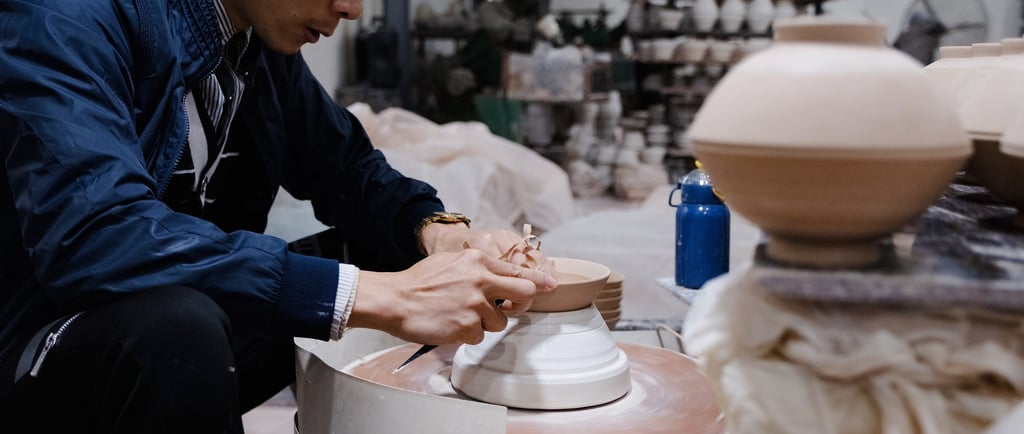
Handcrafted tableware, in particular, adds a layer of uniqueness and character that mass-produced items simply cannot replicate. Each piece embodies the artistry and craftsmanship of its maker, often reflecting regional traditions or innovative design philosophies. Investing in high-quality, handcrafted items not only elevates the aesthetic appeal of the dining experience but also resonates with patrons who appreciate authenticity and the stories behind each piece. This commitment to quality is vital for establishments aiming to create a memorable experience that keeps guests returning.
Moreover, tableware plays a crucial role in brand identity. It serves as an extension of the restaurant’s theme, values, and overall message. The selection of materials, colors, and even the shapes of tableware can convey sophistication, rustic charm, or contemporary elegance. This visual language is important for setting the tone and enhancing the atmosphere within the establishment. As such, it is crucial for restaurateurs to take time to thoughtfully consider their options and choose pieces that do not merely serve a practical function but contribute significantly to the overall experience they seek to offer.
Durability is Not the Opposite of Delicacy
When selecting handcrafted tableware for a fine dining restaurant, an important yet often overlooked attribute is durability. Contrary to common belief, durability does not necessarily equate to a lack of delicacy. In fact, the double-firing process used in crafting certain ceramics significantly enhances their robustness while maintaining visual appeal. This method involves firing the clay twice, which not only helps eliminate moisture but also strengthens the material, resulting in tableware that can withstand the rigors of a bustling professional kitchen.
Another vital aspect to consider is vitrified ceramics, which provide exceptional thermal shock resistance. Such properties are crucial when transitioning between extreme temperature variations—from hot soups to chilled desserts. It's important to note that single-fired ceramics lack this advantageous feature, making them more susceptible to chipping or breaking in intense cooking environments. Therefore, restaurant owners should be wary of choosing single-fired pieces that might not hold up under the stress of daily use.
Quality craftsmanship plays a pivotal role in ensuring the longevity of handcrafted tableware. Artisans who prioritize this timeless method not only create visually stunning pieces but also engineer their creations for endurance. The careful selection of materials and meticulous attention to detail in the production process foster a balance of aesthetics and functional strength. As these pieces are put to the test in high-demand settings, carefully crafted tableware showcases its ability to maintain form and function despite frequent handling and washing.
For establishments aiming to provide a unique dining experience, investing in durable yet delicate handcrafted tableware is a strategic choice. This combination of characteristics promises to enhance both the restaurant's presentation and operational efficiency, providing a sophisticated yet practical dining service.
When it comes to fine dining, the presentation of food plays a crucial role in the overall experience, and handcrafted tableware offers an aesthetic that mass-produced items simply cannot replicate. One of the most appealing aspects of handcrafted tableware is its slight variations in design and color, which highlight the uniqueness of each piece. These variations are not merely imperfections; instead, they are indicative of the artisan's expertise and the careful craftsmanship involved in creating each item. Unlike the identical and uniform appearance of mass-produced white hotel china, handcrafted pieces breathe life into the dining experience.
The beauty of each piece lies in its individuality, which is a testament to the skills and creativity of the artisan. Each handmade item may showcase minute differences, whether in shape, glaze, or texture. This variability adds character and charm, imparting a sense of authenticity that elevated the dining atmosphere. Patrons are likely to appreciate the intricate details and narrative behind each piece, as these qualities enrich their interaction with the tableware and the overall dining experience.
Moreover, unique tableware serves as a reflection of the restaurant's brand identity and values. By choosing handcrafted items, fine dining establishments can convey a commitment to quality, artistry, and sustainability, setting themselves apart from competitors who rely on mass-produced solutions. In a world where consumers increasingly seek authenticity and meaningful experiences, offering tableware that embodies these principles can create a more engaging dining atmosphere, encouraging guests to savor not only their meals but also the thoughtful presentation that accompanies them.
Weight and Balance Affect Perceived Value
The weight and balance of handcrafted tableware significantly influence how restaurant patrons and staff perceive value. When customers encounter tableware that feels substantial and well-balanced, it creates an immediate impression of quality and sophistication. Handcrafted porcelain, in particular, is known for its optimal density, which enhances the tactile experience of dining. This kind of material not only adds to the aesthetic appeal of the tableware but also contributes to a feeling of luxury, as it embodies the craftsmanship that goes into creating each piece.
For restaurant staff, the weight and balance of each item can directly affect service efficiency. Well-balanced plates and bowls are easier to handle, allowing servers to confidently present dishes without the risk of spilling or awkward maneuvering. This smooth operation is essential in maintaining a seamless dining experience for patrons. Furthermore, the overall heft of a handcrafted item can make the presentation of food feel more significant, enhancing the diner’s experience by signaling that the meal is special and deserving of their attention.
Additionally, the tactile feedback provided by a dense porcelain piece encourages staff to invest in the presentation and aesthetic of the table setting. Employees who feel secure in their handling of tableware are more likely to engage positively with diners, reinforcing the high standards of service that fine dining establishments aim to uphold. Handcrafted tableware, therefore, plays a dual role: it elevates the perceived value of the restaurant’s offerings while simultaneously fortifying front-of-house staff confidence in their ability to deliver an elegant dining experience. The importance of weight and balance cannot be overstated in the context of fine dining, as they serve as tangible indicators of quality and professionalism.
Glaze Finish Determines Food Compatibility
When selecting handcrafted tableware for a fine dining restaurant, the glaze finish plays a crucial role in determining not only aesthetic appeal but also food compatibility. Glaze finishes affect how food is presented, with specific types providing distinct advantages and disadvantages in relation to various culinary applications. Among the more common finishes available are matte and glossy glazes, each with its own set of characteristics.
Matte finishes offer a subtle elegance that minimizes reflections, allowing the food to take center stage. This type of glaze is often appreciated for bringing a rustic or artisanal feel to the dining experience. However, it may present challenges when it comes to food release and cleaning, as food residue can adhere more strongly to matte surfaces. Additionally, matte finishes may be more susceptible to cutlery markings, potentially diminishing the plate's visual appeal over time.
In contrast, glossy finishes are known for their vibrant and reflective qualities, enhancing the aesthetic of dishes. They are typically easier to clean and maintain due to their smooth surface, which discourages food attachment. However, this shine can sometimes distract from the actual dish if not applied thoughtfully. Furthermore, restaurant operators should consider that some glossy finishes might lack the resistant qualities that prevent cutlery scratches, leading to premature wear and the need for replacement.
Assessing food-safe certifications is also crucial. Ensure that the selected glazes comply with regulations to avoid any potential health hazards. To optimize dining experiences, it is advisable to conduct a sample-set test of potential finishes. This hands-on approach can help in evaluating the practical implications of each glaze type regarding the restaurant’s specific needs, ensuring that food presentation aligns with the culinary vision while meeting hygienic expectations.
Sourcing Origin Matters More Than Ever
In the realm of fine dining, the provenance of handcrafted tableware has taken on a level of importance that goes beyond mere aesthetics. Patrons increasingly seek an authentic dining experience that reflects a rich cultural heritage. This is particularly true for establishments that aim to provide not just a meal, but a story—a narrative that connects the diners with the artistry and traditions behind the tableware they use.
Vietnam's craft heritage spans over a millennium, interwoven with stories that speak of its historical significance and cultural depth. The unique techniques passed down through generations contribute to the formation of exquisite pieces of tableware, making each item not just a functional object but also a work of art that embodies its origin. As diners interact with these handcrafted items, they become part of the narrative, the history of a nation known for its rich craftsmanship.
One noteworthy representation of this blend of Eastern craft and Western dining is Annamis, founded by Chef Matt. The establishment is a testament to the harmonious fusion of European fine dining principles with the intricate skills of Vietnamese artisans. Every piece of tableware sourced for Annamis is carefully selected to enhance the overall dining experience while also honoring the deep-rooted cultural significance of Vietnamese craftsmanship. Customers don’t just dine; they are immersed in a journey through time and tradition.
Choosing handcrafted tableware from sources like Annamis not only elevates the dining experience but promotes the preservation of traditional crafts. This not only enriches the cuisine served but also ties the customer to the rich stories and heritage that each dish and piece of tableware represents. As such, sourcing origin should indeed be a central consideration for any fine dining restaurant aiming to offer an enriched dining experience to its guests.
Think in Systems, Not Individual Pieces
When acquiring handcrafted tableware for a fine dining restaurant, it is essential to adopt a holistic approach, considering tableware collections as comprehensive systems rather than isolated items. This perspective fosters a sense of uniformity and continuity throughout the dining experience. Each piece of tableware should not only serve a functional role but also contribute to the overall aesthetic of the setting, creating a harmonious atmosphere that enhances the culinary offering.
The design elements of tableware—shapes, colors, and textures—play a significant role in achieving this harmony. Common geometric forms such as circles, squares, triangles, and diamonds, can impart a sense of balance and order while allowing for creative expression. For instance, circular plates may soften the visual lines of an angular table setting, while square platters can add a contemporary touch. By thoughtfully integrating these shapes across your tableware collections, you can create diverse yet cohesive presentations that elevate the dining experience.
Moreover, intentional mixing of tableware from various sets can enhance both visual appeal and functionality. A carefully curated combination of materials, colors, and designs can provide an engaging visual narrative that reflects the restaurant’s brand identity and culinary philosophy. For example, pairing rustic ceramic bowls with sleek metal cutlery can generate an intriguing contrast that captivates diners and enhances their overall perception of the meal.
In conclusion, when selecting handcrafted tableware for fine dining, focus on the interconnectedness of pieces rather than just their individual merits. This systems-thinking approach will ensure that each item harmonizes with others, contributing to a sophisticated and memorable dining experience.
FAQ: Dishwasher Safety, Handling Size Variation, Starting Order Quantity, Custom Options, Lead Times
When considering the purchase of handcrafted tableware for a fine dining restaurant, several common queries arise that can influence decision-making. One of the foremost concerns pertains to dishwasher safety. Most handcrafted tableware is made from materials such as ceramic, porcelain, or stoneware, which can vary in their resilience to heat and detergent. It is essential to check the manufacturer's guidelines for each specific piece, as certain finishes or decorations may not withstand harsh dishwasher conditions.
Another consideration is handling size variation. Handcrafted tableware often features unique characteristics due to the artisanal process employed. This means that size discrepancies may occur; therefore, it is advisable to account for these variations in the initial planning phases of table setting and service. To mitigate any issues, restaurants should consider ordering a few extra pieces per type, ensuring the overall dining experience maintains consistency.
Regarding the starting order quantity, suppliers typically have minimum purchase requirements, which could range from a dozen pieces to several hundred, depending on the item type and supplier's policies. It is beneficial to discuss these requirements with the vendor early in the procurement process to streamline orders and avoid unnecessary delays.
Additionally, many vendors offer custom options for restaurants looking to align tableware with their brand identity. Customization may include tailored colors, logos, or unique shapes, thus making a direct impact on the brand's presentation. It is advisable to request samples to ensure the final product meets expectations.
Finally, potential buyers should inquire about lead times for orders, as handcrafted items can have longer production times due to their bespoke nature. Understanding the time required for manufacturing and shipping will allow restaurants to plan effectively for new tableware introductions.
Terms & Conditions
Privacy Policy


© 2024 ANNAMIS LTD. UK Company Number 15690972
9-11 New Broadway, London, W5 5AW, UK.
© 2025 DAC GLOBAL SZOO. PL. NIP 5342704617.
Gruntowa 3a, Wolica, Poland, 05-830.
All rights reserved.
Site created using Hostinger.com
Telephone: +44 7858221374 / +48 739440679
Email: info@annamis.com
United Kingdom - European Union - Vietnam