
Vietnam's 1,000-Year Ceramic Tradition: Why It Matters for Your Restaurant Table
VIETNAMESE CRAFT & ORIGIN STORY — BRAND AUTHORITY
Diego Acevedo
4/30/20267 min read
Exploring a Northern Vietnamese Craft Village
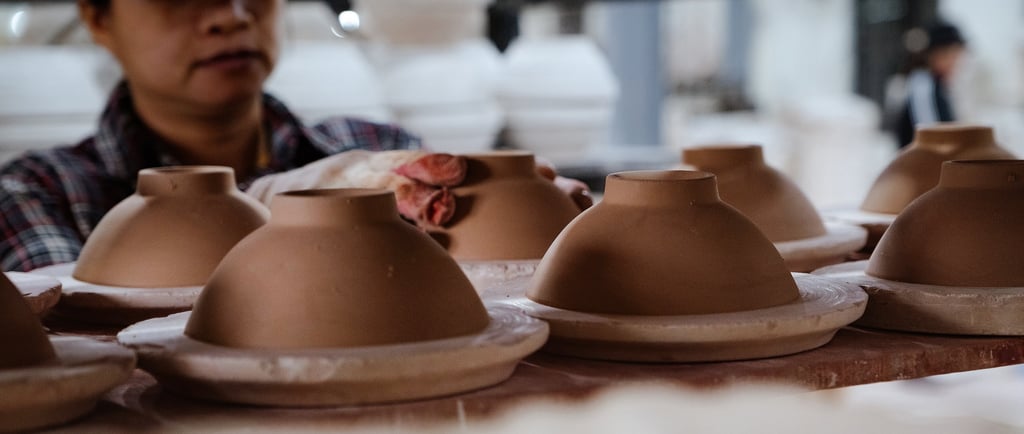
In the mountainous regions of northern Vietnam, one can find a serene and picturesque craft village where the rich tradition of ceramic making has thrived for over a thousand years. The air is infused with the earthy scent of wet clay, capturing the essence of this vibrant community. As you step into the workshop, the soft sounds of artisans shaping, molding, and glazing ceramic pieces fill the space, underlined by a harmonious blend of laughter and camaraderie among the craftsmen.
Here, the art of ceramics is not just a trade; it is a way of life. The artisans, skilled in their craft, have honed their techniques over generations, preserving the methods and practices passed down from their ancestors. Each artisan has developed a profound connection with the clay, knowing exactly how to manipulate it for the desired texture and shape. The clay itself, sourced from local deposits, offers unique properties, contributing to the durability and beauty of the finished products. This specific type of clay, combined with traditional firing techniques, results in ceramics that are not only functional but also works of art.
The community of artisans is tightly-knit, often working together to refine their skills and share knowledge. They gather regularly to discuss new ideas and techniques, ensuring the continued evolution of their craft while retaining its cultural significance. Visitors to the village are not merely observers; they are invited to participate in the creation process, providing an intimate look at the dedication and artistry involved. This vibrant culture surrounding the ceramic trade forms the backbone of the village, making it eternally significant to the region's identity and heritage.
The Ancient Roots of Vietnamese Ceramics
The history of Vietnamese ceramics is a testament to the country's artistic ingenuity and cultural resilience. The roots of this ceramic tradition can be traced back to the 10th century, during a period marked by significant socio-political transformations. Early Vietnamese potters began developing unique methods and styles that would lay the foundation for a thriving ceramics industry. These artisans utilized local clay and other natural materials, experimenting with various firing techniques that led to the creation of distinctive ceramics.
By the 15th and 16th centuries, Vietnam emerged as a pivotal hub in the trade networks of East Asia, with flourishing connections established with Japan, Southeast Asia, and the Middle East. This era witnessed not only the export of Vietnamese ceramics but also a vibrant exchange of artistic techniques and ideas. The influence of foreign styles enriched local craftsmanship, resulting in a unique blend that is still celebrated today. This period marked the golden age of Vietnamese ceramics, as brightly colored and intricately designed pieces began to captivate international markets.
The historical context surrounding the term 'Annam,' meaning 'the pacified south,' further underscores the significance of this ceramic tradition. Annam was a name used by foreign traders and navigators to refer to Vietnam and its rich artistic heritage. The use of this term highlights Vietnam's role in regional and global commerce, facilitating not just trade in goods but also the diffusion of cultural practices. As a result, the ceramics industry thrived in a context enriched by diverse influences, giving rise to pieces that tell stories of trade, culture, and artistry.
What Makes Vietnamese Porcelain Different
Vietnamese porcelain stands apart from other ceramic traditions due to its unique composition and historical development. One of the defining characteristics is the mineral-rich clay sourced from the northern clay belt of Vietnam. This clay is renowned for its high density and natural whiteness, which contributes to the quality and aesthetics of the final product. The properties of this clay allow for the creation of durable porcelain ware that is highly sought after not only in Vietnam but across the globe.
The restrained aesthetic prevalent in Vietnamese ceramics also sets them apart. Rather than brimming with elaborate decorations, these pieces exhibit a harmonious simplicity. This design philosophy prioritizes subtlety and elegance, enhancing the dining experience by allowing the food itself to take center stage. The minimalist approach to design ensures that the porcelain complements rather than overshadows the culinary presentation. The clear glazes applied to the surface further emphasize the beauty of the clay, creating a smooth and glossy finish that elevates the visual appeal of the dish served.
Moreover, the craftsmanship involved in producing Vietnamese porcelain reflects a deep cultural heritage. Artisans employ traditional techniques passed down through generations, leading to variations in style that are distinct to different regions of Vietnam. This rich craftsmanship embodies the spirit of artisanal dedication, making each piece not just dinnerware but a work of art. These unique attributes collectively contribute to a sophisticated dining experience, offering not only functional benefits but also enriching the aesthetic environment of restaurant tables.
The Craft Village Economy
The craft village economy in Vietnam is a remarkable embodiment of both traditional practices and contemporary sustainability. Ceramic craft villages have maintained their economic significance for centuries, providing livelihoods not only to artisans but also to the wider community. These villages are often family-run businesses, where skills and knowledge are passed down through generations, creating a unique economic structure that is deeply rooted in familial ties. The artisans' craft relies on inherited knowledge, which encompasses techniques, artistry, and the subtleties of local materials, making each piece not only a product of labor but a testament to cultural heritage.
Supporting these artisans is a strategic choice for those concerned with sustainability and quality in their dining experiences. When consumers purchase ceramics directly from these artisans, they engage in a practice that honors the intricate craftsmanship involved. This choice often leads to superior products that exhibit both aesthetic beauty and durability, standing in contrast to mass-produced alternatives. Such purchases contribute directly to the economic stability of the artisan families, ensuring that their skills continue to thrive in an increasingly digitalized world.
The social significance of these family networks extends beyond mere economic transactions. As artisans collaborate within their communities and share their craft with others, they create social bonds that reinforce cultural values and community solidarity. Thus, investing in the ceramic craft sector becomes not only an economic decision but also a meaningful contribution to the preservation of a rich cultural heritage. When these artisans flourish, they help sustain the very identity of their regions, making for a profound connection between the consumer's choices and the continuity of Vietnamese traditions.
From Annam to Your Restaurant Table
Chef Matt, the European-trained founder of Annamis, alongside his wife Phương, embodies a unique combination of culinary excellence and artisanal craftsmanship. Annamis not only serves exquisite dishes but also emphasizes the significance of the presentation through handcrafted ceramic tableware, deeply rooted in Vietnam's rich 1,000-year ceramic tradition. This narrative of cultural pride is woven into the very fabric of modern dining experiences, making each meal a holistic celebration of Vietnamese heritage.
The couple's shared passion for Vietnamese culture has led them to bridge the gap between high-end culinary rigor and the warmth associated with artisanal craftsmanship. Chef Matt's extensive training in European kitchens allows him to refine techniques and elevate traditional dishes, while Phương’s understanding of local artistry ensures that every piece of tableware tells a story. This harmonious blend not only enhances the dining experience but also invites patrons to appreciate the thoughtful details behind every dish served.
Annamis prides itself on selecting handmade ceramics that reflect Vietnam's historical artistry, featuring intricate designs and techniques that date back centuries. These pieces serve not just as vessels for food but as artifacts that connect diners to a cultural lineage. The warm tones, elegant shapes, and skilled artisanship of the ceramics breathe life into Chef Matt's culinary creations, providing context and enhancing the emotions associated with dining.
By integrating such culturally significant tableware into their restaurant, Annamis invites guests to explore the richness of Vietnamese traditions while enjoying their meals. This approach fosters a deeper appreciation for both the cuisine and the culture behind it, making each dining experience at Annamis memorable and meaningful.
Frequently Asked Questions
Understanding the importance of quality ceramics goes beyond aesthetics and reflects the values of a restaurant. Here are some common queries regarding Annamis ceramics, which highlight why they are essential for your restaurant table.
1. What measures does Annamis take to ensure the quality of its porcelain? Annamis is committed to delivering high-quality porcelain through a meticulous manufacturing process. This includes sourcing fine clay and raw materials that meet strict quality standards. Each piece is crafted by skilled artisans who employ traditional techniques, ensuring that every item not only meets visual expectations but also possesses durability and functionality. Rigorous quality control checks are performed at various stages of production to identify and rectify any defects, guaranteeing products that are both beautiful and reliable.
2. How does Annamis incorporate sustainability in its production process? Sustainability is a core value at Annamis. The company utilizes eco-friendly materials and processes to reduce its carbon footprint. By adopting energy-efficient manufacturing techniques and minimizing waste through careful resource management, Annamis supports a sustainable production cycle. Additionally, using traditional methods helps preserve local craftsmanship, ensuring that the artistry of ceramic making continues without compromising environmental integrity.
3. In what ways does Annamis communicate the provenance of its products to guests? Annamis values transparency and shares the story behind each piece with restaurant owners and their guests. This is accomplished through product labels, storytelling menus, and online platforms, which highlight the heritage and craftsmanship involved in creating each ceramic item. By sharing these narratives, Annamis enhances the dining experience, allowing guests to appreciate the finer details of their tableware.
4. What are the care instructions to maintain the quality and longevity of the ceramics? To ensure the longevity of Annamis ceramics, it is recommended to hand wash items using mild soap and a soft sponge. Avoid abrasive cleaners that could scratch the surface, and ensure that items are not subjected to extreme temperature changes. Storing ceramics in a dry environment will also help maintain their quality over time. Regular care will keep the stunning finish intact and prolong the life of these exquisite pieces.
Experience the Timeless Beauty of Vietnamese Ceramics
As a restaurateur, you undoubtedly seek to create an unforgettable dining experience for your guests. One way to achieve this is through the selection of high-quality tableware that not only serves a functional purpose but also enhances the aesthetic appeal of your restaurant. At Annamis, we take pride in offering handcrafted porcelain that embodies Vietnam's rich ceramic tradition, which spans over 1,000 years. Each piece reflects the artisanship and cultural heritage of Vietnam, making it a meaningful addition to your table setting.
Our collection is more than just functional dishware; it captures the essence of Vietnamese culture and artistry. Each artisanal piece is meticulously crafted, ensuring that every plate, bowl, and cup delivers both beauty and durability. When you choose Annamis for your restaurant, you are not just buying tableware; you are embracing a centuries-old tradition that resonates with quality and authenticity.
We invite you to experience our exquisite handcrafted porcelain firsthand. By requesting a sample set from Annamis at annamis.com/for-restaurants, you can evaluate the remarkable craftsmanship and visual appeal of our ceramics, ensuring they align with your restaurant's theme and dining vision. This opportunity allows you to see for yourself how our ceramics can elevate your culinary presentations, enticing your guests while making an impactful statement about your commitment to quality.
The ceramics from Annamis are not merely designed to serve food but to create visual narratives that celebrate the rich flavors and artistry of your menu. Don’t miss out on the chance to enhance your restaurant's table settings with our beautiful, culturally significant ceramics. Make your request today and take the first step toward transforming your dining experience into one that honors tradition while delighting your patrons.
Terms & Conditions
Privacy Policy


© 2024 ANNAMIS LTD. UK Company Number 15690972
9-11 New Broadway, London, W5 5AW, UK.
© 2025 DAC GLOBAL SZOO. PL. NIP 5342704617.
Gruntowa 3a, Wolica, Poland, 05-830.
All rights reserved.
Site created using Hostinger.com
Telephone: +44 7858221374 / +48 739440679
Email: info@annamis.com
United Kingdom - European Union - Vietnam